Skip the vetting on any of those, and problems tend to surface later rather than during the sales pitch, usually once tooling is already built and a PPAP submission comes back with issues. Here’s what to check before you commit.
Why Supplier Selection Deserves This Much Scrutiny
Automotive supply chains don’t have much room for error. A missed dimensional tolerance on a trim component can hold up an entire assembly line, and the disruption rarely stays contained to one part. Scaling creates a different kind of risk: a supplier who can’t get past their pilot run leaves you scrambling for a second source in the middle of a launch. Then there’s the quieter problem, a quality system that looks solid on paper until an audit exposes the gaps, putting your own customer relationships on the line.
None of this is unique to thermoforming. It’s the reality of sourcing any component for an OEM or Tier 1 project, where downstream schedules are unforgiving and traceability requirements don’t bend. The questions below are the ones worth asking early, while there’s still time to walk away from a bad fit.
Which Certifications Should Should be Requested from a Thermoforming Supplier?
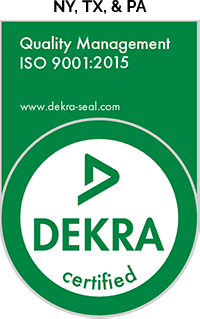
ISO 9001:2015 is the baseline. It requires a documented quality management system covering process control, inspection, corrective action, and traceability from raw material through finished part. A supplier without it is asking you to take their quality claims on faith.
For automotive-specific work, ask how the supplier handles IATF 16949 expectations, even without holding the certification directly. IATF-aligned customers typically require PPAP submissions, APQP documentation, and control plans beyond what ISO 9001 mandates alone. A supplier familiar with this framework should be able to walk you through what documentation they generate, how they handle first-article inspection, and how deviations get resolved.
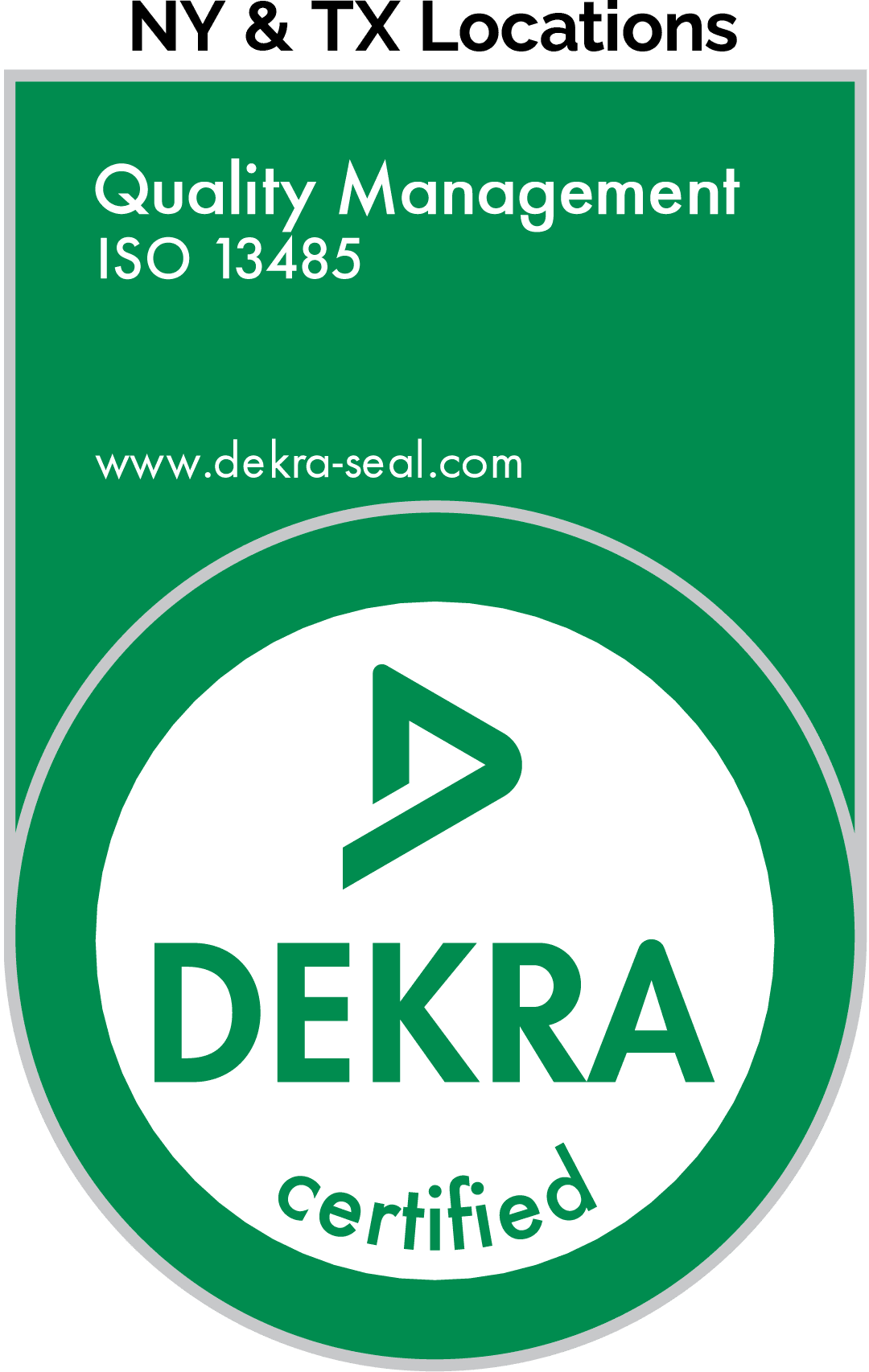
We’ve held ISO 9001:2015 certification since 2004 and added ISO 13485:2016 certification at our New York and Texas locations in 2024. Ask any prospective supplier for their certificates directly, not just a claim on a website.
How Do You Evaluate a Supplier’s Tolerance Capability?
This is the part of vendor selection that gets skipped most often, usually because it’s harder to evaluate from a sales call than a certification number.
Start with tooling. A supplier who designs and builds tooling in-house controls the variable determining tolerance consistency from the first part to the ten-thousandth. Outsourced tooling adds a middleman between design intent and finished dimension, and this gap tends to widen as a mold ages or gets modified.
Trimming matters just as much as forming. Robotic and laser trimming hold repeatability across a production run in a way manual trimming can’t match, particularly on parts with intricate geometry or tight edge tolerances. Ask what trimming method a supplier uses on parts similar to yours.
A few questions worth putting directly to a supplier:
- What’s your first-article inspection process, and what documentation do you provide with it?
- How do you monitor for tolerance drift across a long production run, not just at the start?
- What happens when an in-process check flags a part outside spec? Who makes that call, and how fast?
A supplier who answers these with specifics, rather than a general reassurance, is one worth taking seriously.
What Does Production Capacity Really Tell You?
Square footage and machine counts are the easy numbers to get from a supplier. They’re also the least useful ones on their own.
Ask instead about shift structure. A facility running three shifts has very different flexibility than one running one shift with occasional overtime. Ask how a supplier has handled a volume spike, whether that’s an unplanned order increase or a launch pulled forward on the calendar. And ask what happens if a line goes down mid-run: is there a backup line, a second shift, or another facility that can pick up the volume?
Operating across multiple U.S. locations gives a supplier options that a single-plant operation doesn’t have. We run facilities in Brocton, NY; Meadville, PA; and Brownsville, TX, which means a capacity constraint at one site doesn’t necessarily stall a project. It’s one data point worth checking, not a substitute for asking the harder questions above.
Vetted Properly vs. Discovered the Hard Way
A supplier vetted on certifications, tolerances, and capacity before a contract is signed tends to surface concerns during a plant visit or a sample run, when there’s still time to address them. A supplier vetted on price and a sales deck alone tends to surface the same concerns during a failed PPAP submission or a missed shipment, when there isn’t.
Why Jamestown Plastics
Jamestown Plastics operates ISO Class 7 and 8 clean rooms alongside robotic and laser trimming capabilities, backing up tolerance and quality claims with equipment that can hold to them. In-house design and tooling keep every project under one roof, and three U.S. facilities give automotive customers the capacity flexibility a single-site supplier can’t offer.
FAQ
What questions should I ask a thermoforming supplier before signing a contract? Ask for certification documents directly, ask how they support IATF-aligned PPAP and APQP requirements, and ask specific questions about first-article inspection and tolerance monitoring rather than accepting general reassurances.
Does a supplier need IATF certification, or is alignment enough? It depends on your project’s requirements, but many automotive suppliers work successfully within IATF-aligned frameworks without holding the certification directly. What matters most is whether they can support the documentation and traceability your PPAP process requires.
How can I tell if a supplier’s capacity claims are realistic? Ask about shift structure, past volume spikes, and what backup exists if a line goes down. Multiple facilities or documented contingency plans are generally a safer bet than a single line running near full capacity.
Vetting a Supplier Starts with the Right Questions
We’ve supported automotive projects since 1958, and helping customers evaluate what they need from a thermoforming partner is part of the job. Certifications, tolerance capability, and production capacity are the three places to start.
Have a project you’re sourcing right now? Contact Jamestown Plastics to talk through what to check.