Both standards are tied to quality management. Each helps manufacturers build documented processes, improve consistency, and support customer requirements. The difference is in scope: ISO 9001:2015 is a general quality management standard used across industries, while ISO 13485:2016 is designed specifically for medical device quality management.
For plastic manufacturers, it’s an important distinction. Some applications call for a strong general quality system, while others require tighter documentation, stronger traceability, and production practices better aligned with regulated medical work.
At Jamestown Plastics, quality management supports operations across thermoforming programs, including work that requires controlled manufacturing environments and medical-focused quality systems.
What Is ISO 9001:2015?
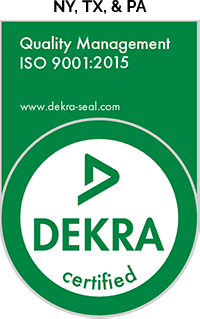
ISO 9001:2015 is a broad quality management standard used across many industries, including manufacturing. Its purpose is to help companies establish repeatable processes, define responsibilities clearly, document procedures, and address quality issues in a structured way.
In a manufacturing environment, ISO 9001:2015 supports consistency. It helps guide how production is managed, how problems are corrected, and how quality is monitored over time. Companies operating under ISO 9001:2015 are expected to follow documented processes rather than rely on informal habits or workarounds.
For plastic manufacturers, ISO 9001:2015 often serves as a baseline certification. It shows that a quality management system is in place and that the business is working within a recognized framework for process control and continuous improvement.
What Is ISO 13485:2016?
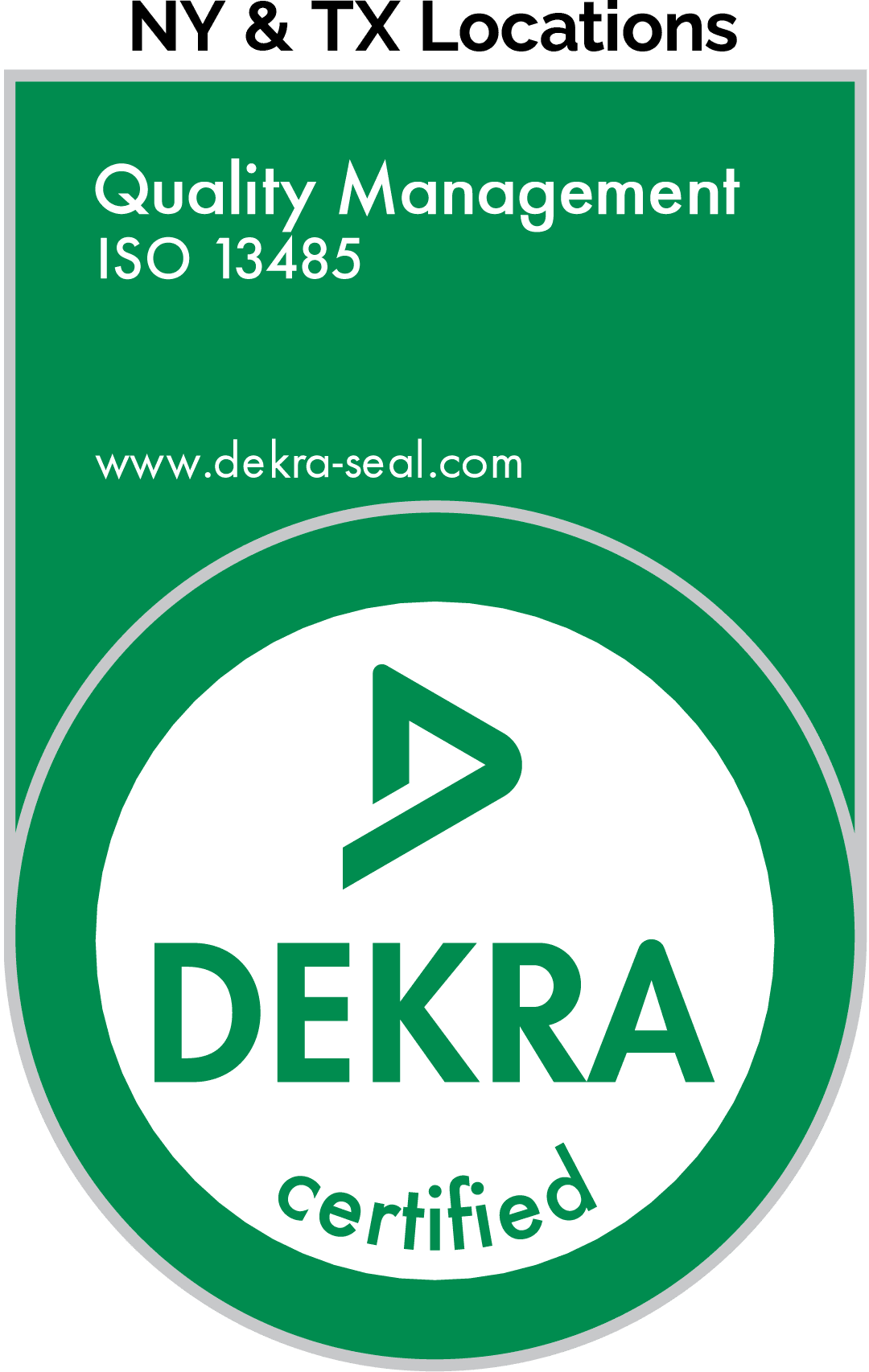
ISO 13485:2016 is a quality management standard developed for medical device manufacturing and related production. It shares some common ground with ISO 9001:2015, but it applies those principles in a more specialized way.
Medical manufacturing tends to require tighter documentation, stronger control of records, clearer traceability, and more structured management of risk. ISO 13485:2016 addresses those demands. It places greater emphasis on validation, change control, consistent execution, and support for regulated product requirements.
For a plastic manufacturer, ISO 13485:2016 signals more than general process discipline. It shows that the quality system is built to support medical device-related work, including packaging and formed components produced in more tightly controlled environments.
ISO 9001:2015 vs ISO 13485:2016 for Manufacturing: Key Differences
The main difference between the two manufacturing quality standards is the type of manufacturing they are built to support.
ISO 9001:2015 applies broadly across industries. It works well for manufacturers producing industrial parts, consumer-facing products, commercial packaging, and many other components where quality and consistency matter.
ISO 13485:2016 is narrower in scope and more specialized. It is intended for medical device quality management and related services, where documentation, risk management, and regulatory alignment play a larger role.
The manufacturing quality standards also differ in how they approach quality priorities. ISO 9001:2015 places a strong emphasis on process consistency, customer satisfaction, and continual improvement. ISO 13485:2016 focuses more heavily on maintaining documented consistency and supporting compliance-related expectations in medical manufacturing.
Documentation requirements are often more demanding under ISO 13485:2016 as well. Both standards require records and defined procedures, but medical manufacturing typically calls for tighter traceability and more formal control over validation and process changes.
For OEMs, the takeaway is practical. A supplier certified to ISO 9001:2015 may be well equipped for a wide range of high-quality manufacturing projects. A supplier certified to ISO 13485:2016 is working within a system designed for medical-focused production.
Why Do Plastic Supplier Certifications Matter for Plastic Manufacturers?
Certifications matter because they give customers a clearer view of how quality is managed behind the finished part or package.
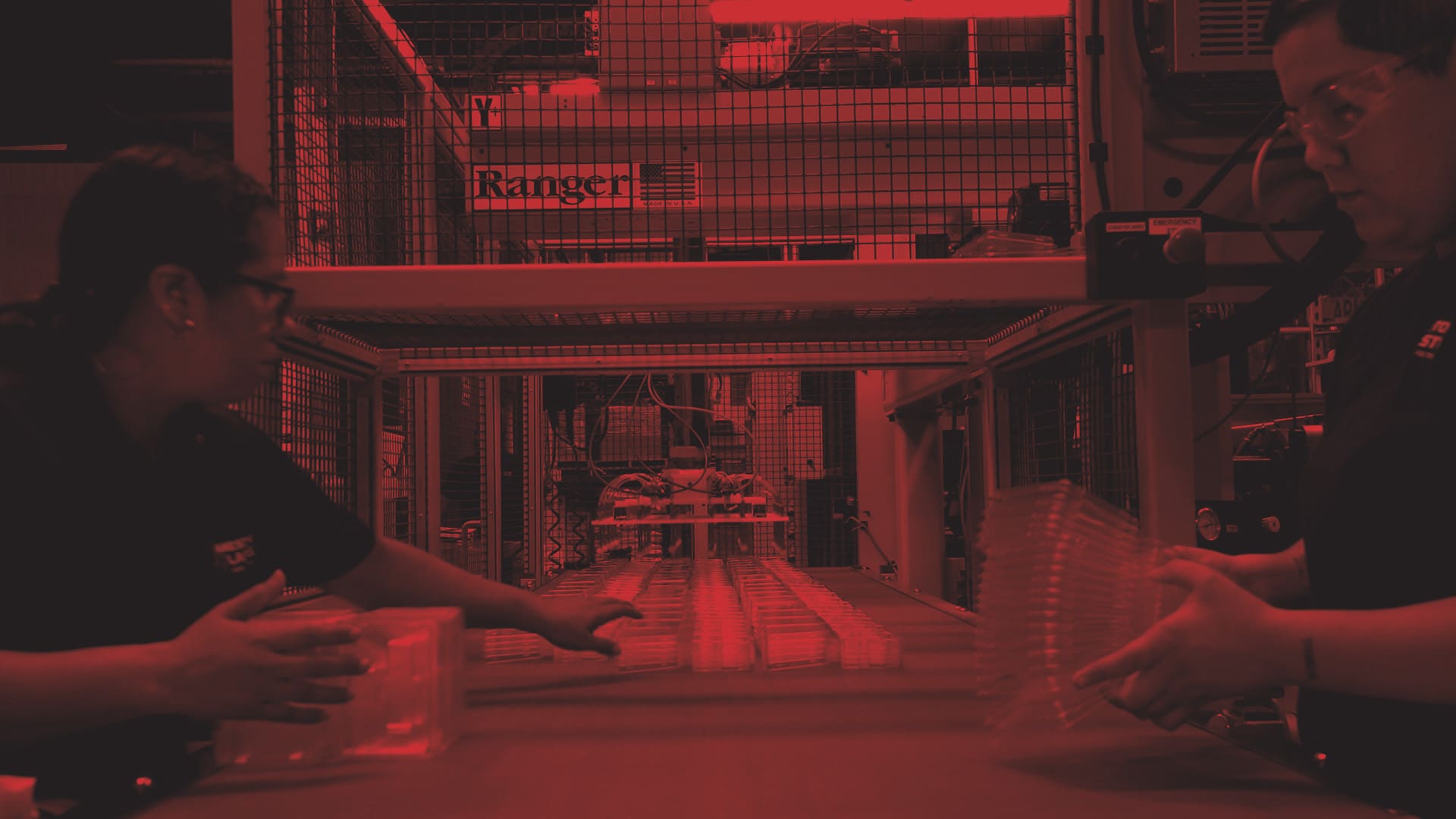
A thermoformed tray, package, or component may seem simple once it is complete, but consistent results depend on the systems behind material handling, tooling control, setup practices, inspections, documentation, and corrective action. Certifications help show that those activities are guided by a defined quality system.
For OEMs sourcing plastic parts or packaging, this can reduce uncertainty during supplier evaluation. A recognized certification does not guarantee success on its own, but it does show that the manufacturer has established documented practices and has been assessed against a known standard.
Plastic supplier certifications can become even more important when a project involves medical packaging, cleanroom production, or customer requirements tied to traceability and validation support.
When Does Each Standard Make Sense?
ISO 9001:2015 is often the right fit for general manufacturing applications where strong process control and documented quality systems are important, but medical-specific requirements are not part of the project. Industrial components, consumer products, commercial packaging, and many thermoformed parts fall into that category.
ISO 13485:2016 becomes more important when the application involves medical device packaging, medical components, or production environments with stricter documentation and quality expectations. Medical OEMs often need suppliers who can support traceability, controlled processes, and a more specialized quality framework.
At Jamestown Plastics, ISO 13485:2016-certified operations in New York and Texas support customers with medical packaging and other quality-sensitive requirements, while ISO 9001:2015 supports broader manufacturing quality across operations.
How Cleanrooms Fit into the Conversation
Cleanrooms are often mentioned alongside certifications, but they serve a different purpose.
ISO 9001:2015 and ISO 13485:2016 are quality management standards. Cleanrooms are controlled manufacturing environments. One defines the quality system, and the other helps support cleaner production conditions for sensitive applications.
For medical packaging and certain quality-sensitive products, both may matter. Jamestown Plastics supports those needs with ISO Class 7 and Class 8 clean room manufacturing environments in addition to certified quality systems. Together, those capabilities help support controlled production for customers with more demanding packaging and manufacturing requirements.
What Should OEMs Ask a Supplier?
A certification should be the start of the conversation, not the end of it. OEMs evaluating a plastic supplier should ask which certifications are currently maintained, how those certifications relate to the application, what level of documentation and traceability is available, and whether cleanroom manufacturing is offered when needed.
Those questions help clarify whether the supplier’s quality infrastructure matches the project.
Takeaways
ISO 9001:2015 and ISO 13485:2016 both support quality manufacturing, but they are not interchangeable. ISO 9001:2015 provides a wide framework for process control across industries. ISO 13485:2016 applies a more specialized structure for medical device-related manufacturing and packaging.
For OEMs sourcing thermoformed parts and packaging, the right certification depends on the application, the production environment, and the level of documentation required. Jamestown Plastics supports those needs with certified quality systems, in-house tooling and design support, and controlled manufacturing capabilities. Contact Jamestown Plastics to discuss the quality requirements for your next project.