The Versatility of Thermoforming

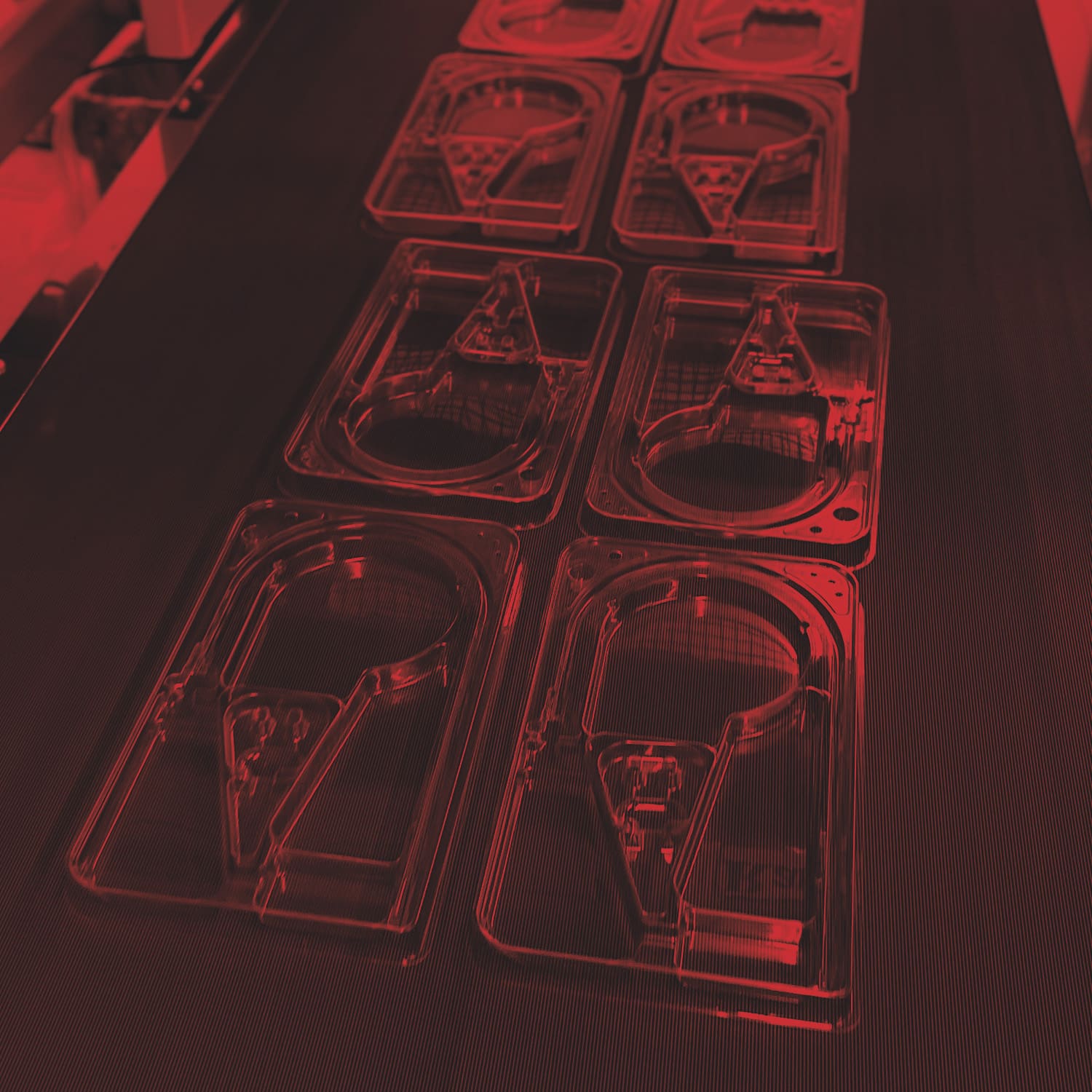
Thermoforming supports a wide range of plastic packaging and formed-part applications across modern manufacturing. From trays, blisters, and clamshells to housings, panels, and handling systems, the process is used in industries that need a practical balance of custom geometry, material flexibility, production efficiency, and cost control.

The applications of thermoforming continue to expand because the process can adapt to many different product and packaging requirements. A thermoformed part may need to protect a medical device, organize electronic components, support automotive production, or improve handling in an industrial environment.

At Jamestown Plastics, our versatility supports custom thermoforming solutions across automotive, consumer goods, electronics, general industrial, and medical markets. This guide explains where thermoforming fits best, how different forming methods support different applications, and what to consider when evaluating material, design, and production requirements.

For readers looking for a broader overview of the thermoforming process, materials, and related plastic fabrication methods, explore our Thermoforming 101: The Ultimate Guide.

Understanding Thermoforming Applications

Thermoforming is used across a wide range of packaging and formed-part applications, but not every project is a strong fit for the process. Part geometry, material requirements, production goals, and end-use conditions all play a role in determining where thermoforming makes the most sense. The sections below look at what makes good thermoforming applications and how different forming methods align with different types of parts and packaging.

What Makes a Good Thermoforming Application?

A good thermoforming application is one that aligns with the strengths of the process. In many cases, that means the part or package benefits from custom shape, lightweight construction, practical tooling costs, and the ability to match material performance to the end use. Many plastic thermoforming applications also require repeatable quality, reliable protection, and a production path that makes sense for the expected volume.

Common examples include thermoformed trays, clamshells, blisters, housings, trim components, dunnage, and other formed parts used for protection, organization, transport, or presentation. The best fit usually depends on more than part shape alone. Material requirements, handling conditions, cosmetic expectations, and downstream use all help determine whether thermoforming is the right choice.

Strong thermoforming applications often share a few characteristics:

  • The part can be formed from sheet plastic without unnecessary complexity
  • Material properties can be matched to the application
  • Tooling investment aligns with the program
  • The design supports consistent forming and trimming
  • The finished part or package improves protection, handling, or presentation

Design and material decisions play a major role early in development. Clarity, impact resistance, static control, durability, and sustainability goals can all affect material selection, while draft, wall distribution, trim location, and part geometry influence manufacturability. Jamestown Plastics manages design and tooling in-house, which helps connect those decisions earlier in the process and support smoother project development.

Thermoforming Techniques: Matching Method to Application

Not every thermoforming application should be approached the same way. Part geometry, surface detail, material thickness, and end-use requirements all help determine which forming method is the better fit.

The two primary thermoforming techniques most manufacturers evaluate are vacuum forming and pressure forming. Both methods can support a wide range of custom thermoforming solutions, but they serve different priorities. Understanding the difference helps engineers, buyers, and packaging teams choose a process that supports the part’s actual performance requirements rather than only its basic shape.

Vacuum forming is often a strong fit for trays, blisters, clamshells, dunnage, and other applications where function, speed, and practical tooling costs lead the decision. Many applications of thermoformed plastic packaging fall into this category because the process supports repeatable protection and efficient production.

Pressure forming uses added air pressure to create better surface definition and a more finished appearance. As a result, it can be a stronger option for housings, covers, panels, and other parts where feature detail or cosmetic quality matter more. Applications in automotive, electronics, and certain consumer products may benefit from the added refinement.

The best process is the one that fits the part, material, and production goals together. Jamestown Plastics evaluates those factors early so the selected method supports both manufacturability and end use.

Industry-Specific Applications

The applications of thermoforming look different from one industry to the next. In some markets, the process is used to improve product protection and presentation; in others, it helps with part handling, organization, cleanliness, or production efficiency. Looking at custom thermoforming by industry makes it easier to see where the process fits best and what requirements usually shape the final design.

Many applications of thermoformed packaging and formed plastic parts are driven by the same core advantages: custom geometry, lightweight construction, practical tooling costs, and flexibility in material selection. The sections below show how those advantages apply across automotive, consumer goods, electronics, general industrial, and medical markets.

Explore our Industries page to see how we support each of these sectors.

Automotive Thermoforming Applications

Automotive thermoforming is used for both vehicle-related parts and the packaging systems that support production, transport, and aftermarket distribution. In many cases, thermoforming for automotive components makes sense when manufacturers need lightweight plastic parts, repeatable quality, and practical tooling costs.

Jamestown Plastics supports automotive thermoforming with formed parts and custom packaging systems designed around production and handling needs.

Common automotive thermoforming applications include:

  • Interior and exterior trim components
  • Wind deflectors
  • Mud flaps and bumper guards
  • Returnable trays and dunnage systems
  • Pallet solutions for part transport
  • Aftermarket blister and clamshell packaging

Consumer Goods Thermoforming Applications

Thermoforming for consumer products is often centered on packaging performance. A package may need to protect the product, improve shelf presentation, support branding, and still work efficiently in packing, shipping, and retail environments.

Jamestown Plastics applies custom thermoforming to a wide range of consumer packaging formats, including reusable and sustainability-minded options.

Common consumer goods thermoforming applications include:

  • Blister packaging
  • Clamshell packaging
  • Insert trays and organizers
  • Produce packaging
  • Gift packs and club packs
  • Point-of-purchase displays

Electronics Thermoforming Applications

Electronics thermoforming is typically driven by protection, organization, and handling control. Components often need to stay separated, secure, and easier to move through production, storage, and shipping without damage.

Jamestown Plastics supports electronics plastic thermoforming with packaging and formed-part solutions designed around sensitive components and workflow needs.

Common electronics thermoforming applications include:

  • ESD packaging
  • Conductive packaging
  • Custom handling trays
  • Clamshells and blisters
  • Housings and covers
  • Radomes

General Industrial Thermoforming Applications

Industrial thermoforming is often used to improve function inside manufacturing and distribution environments. These applications usually focus on part protection, storage, repeatable handling, and workflow efficiency rather than retail presentation.

Jamestown Plastics supports custom industrial thermoforming with packaging and formed-part solutions built for demanding production environments.

Common general industrial thermoforming applications include:

  • Dunnage trays
  • Custom pallet systems
  • Component fixtures
  • Shrouds and housings
  • Totes and handling systems
  • Hazardous material trays

Medical Thermoforming Applications

Medical device thermoforming requires close attention to cleanliness, consistency, and product fit. Packaging and trays often need to support handling, storage, and transport while aligning with the needs of the device or component.

Jamestown Plastics supports medical thermoforming with decades of experience, ISO 13485:2016 certification at our New York and Texas locations, and ISO Class 7 and 8 clean room capabilities.

Common medical thermoforming applications include:

  • Medical thermoformed packaging
  • Medical trays
  • Blisters and clamshells
  • Unit-dose packaging
  • Returnable totes
  • Medical carts and lock boxes

Material Applications & Selection

Material choice has a direct impact on how well a thermoformed part or package performs. A tray for electronics, a retail blister, an industrial handling part, and a medical package may all use the same basic process, but they rarely use material the same way. Strength, clarity, impact resistance, static control, temperature exposure, and sustainability goals all influence the decision.

That is why thermoforming material selection should start with the application. Questions like “What materials are used in thermoforming?” or “What materials can be thermoformed?” do not have one simple answer. The right material depends on how the part will be formed, handled, shipped, and used.

Explore our Material Options page to see the materials we work with across thermoforming applications.

Material Capabilities: Matching Material to Application

The best materials for thermoforming are the ones that match the job. Some applications need clarity and shelf appeal. Others need durability, ESD protection, chemical resistance, or recycled content. Thermoformed packaging materials and thermoformed tray materials should be selected around actual performance requirements, not just appearance.

Jamestown Plastics works with a broad range of thermoformable materials for thin- and heavy-gauge applications, including HIPS, PETG, APET, RPET, HDPE, PVC, polypropylene, polycarbonate, ABS, acrylics, TPO, and specialty materials such as conductive, anti-static, UV-protected, and oxygen barrier options.

Common material priorities include:

  • Clarity and Presentation: Often important for blisters, clamshells, and other thermoformed plastic packaging
  • Impact Resistance and Toughness: Useful for housings, trays, and industrial applications
  • Static Control: Important for thermoforming for electronic components and packaging
  • Sustainability: Relevant when recycled or biodegradable materials are part of the program
  • Environmental Resistance: Needed when parts face heat, light, or demanding handling conditions

Material needs also vary by market. Thermoformed automotive products may require durability and surface quality. Consumer packaging may prioritize visibility and cost control. Thermoformed electronics packaging may need conductive or anti-static materials. Medical packaging may require material choices that align with cleanliness and product-specific handling needs. In some industrial programs, high temperature thermoforming materials may also be part of the discussion.

Advanced Capabilities Showcase

Thermoforming performance depends on more than the forming step alone. Design support, tooling strategy, trimming accuracy, and production control all shape how well a part moves from concept into repeatable manufacturing. For more technical applications, those capabilities can influence lead times, part consistency, and overall project success.

Learn about our extensive capabilities.

Design & Engineering Capabilities

Design and engineering decisions affect how well a thermoformed part will form, trim, and function in use. Draft, wall distribution, trim location, tolerances, and material behavior all need to be considered early, especially for custom applications where fit and repeatability matter.

Strong engineering support helps identify those issues before they become tooling or production problems. CAD, CAM, CNC, and prototype development all play a role in refining part geometry, evaluating manufacturability, and improving communication between design intent and finished production.

At Jamestown Plastics, we manage design and tooling in-house. This helps us connect engineering decisions with manufacturing requirements earlier in the process and makes revisions easier to manage, moving projects forward with fewer avoidable issues.

Production Capabilities

Production capability affects how well a thermoformer can support different materials, part sizes, finishing requirements, and quality expectations. Equipment range matters, but so do trimming methods, manufacturing environment, and the ability to support downstream services after forming.

Applications with tighter requirements may depend on clean room production, more precise trimming, or added assembly and packaging support. Production capability is about maintaining consistency across the full manufacturing process.

We support both thin- and heavy-gauge thermoforming, with material thicknesses from .005” to .5”+ and part sizes up to 5′ x 9′. Our capabilities include robotic trimming, ISO Class 7 and 8 clean rooms, and value-added services such as assembly, contract packaging, and fulfillment support.

Application Selection Guide

Choosing the right manufacturing process usually comes down to fit. A part may be possible to thermoform, but that does not always mean thermoforming is the best option. The stronger choice depends on the part geometry, material requirements, production goals, and the demands of the end use.

Instead of looking at precision thermoforming as a broad category, it helps to look at where it tends to perform best and what questions should be answered before moving into tooling or production.

Choosing Thermoforming: Decision Framework

A good thermoforming application usually aligns with the strengths of the process. In many cases, that means the part or package benefits from custom geometry, lighter weight, practical tooling costs, and material flexibility. Thermoforming is often a strong fit for trays, blisters, clamshells, housings, dunnage, covers, and other formed parts that need to protect, organize, present, or transport a product efficiently.

A simple decision framework can help:

  • Part Geometry: Can the part be formed from sheet plastic without unnecessary complexity?
  • Material Needs: Does the application require clarity, durability, ESD protection, recycled content, or another specific property?
  • Volume and Tooling: Do production goals align with thermoforming’s tooling and manufacturing advantages?
  • End Use: Will the part be used for packaging, line-side handling, shipping, storage, or as a finished component?
  • Quality Requirements: Does the application require clean room production, tighter process control, or value-added finishing support?

Questions like these help clarify where thermoforming fits and where another process may make more sense. They also help guide thermoforming material selection, because the right material depends on how the part will be handled, shipped, and used after forming.

When we evaluate thermoforming applications, we look at the full picture rather than the formed shape alone, including manufacturability, material behavior, handling conditions, and the practical demands of production. Taking a broader view early can help reduce revisions later and improve confidence before tooling moves forward.

Industry-Specific FAQs

Reading through thermoforming applications often leads to a few practical next questions around materials, lead times, prototypes, tooling, and production support. The answers below cover some of the most common ones.

For a broader list of questions, visit our full FAQ page.

What materials can be used in thermoforming?

A wide range of materials can be used depending on the application. We work with materials such as HIPS, PETG, APET, RPET, HDPE, PVC, polypropylene, polycarbonate, ABS, and specialty options including conductive, anti-static, and UV-protected materials. Material selection should be based on end use, handling conditions, and performance requirements.

Can you help with prototypes before full production?

Yes. We support production-quality prototypes that allow customers to evaluate fit, function, and handling before moving into full production. Early prototype work can also help identify design or tooling adjustments before the project reaches a larger production stage.

Do you handle design and tooling in-house?

Yes. We manage thermoforming designs and tooling in-house, which helps connect engineering decisions with manufacturing requirements earlier in the process. This improves communication during development and makes revisions easier to manage.

How long does a thermoforming project usually take?

Lead times depend on the design status, tooling needs, material availability, and overall production scope. Projects can range from roughly 4–6 weeks to 14–16 weeks depending on the program.

Do you support medical and clean room applications?

Yes. We support medical thermoforming with ISO 13485:2016 certification at our New York and Texas locations, along with ISO Class 7 and 8 clean room capabilities. Those capabilities are important for programs that require stronger contamination control, traceability, and process discipline.

Do you offer contract packaging and fulfillment services?

Yes. In addition to thermoforming solutions, we support programs with contract packaging, assembly, warehousing, inventory control, and related fulfillment services, helping simplify the path from formed part to finished packaged product.

What factors affect the cost of a thermoforming project?

Cost is influenced by part size, material choice, tooling complexity, production volume, and any secondary operations or packaging requirements. Reviewing these variables early can help identify the most practical path for the application.

Moving from Application Review to Production

Thermoforming works best when process selection, material choice, design, and production planning are aligned with the application. A medical tray, an electronics package, an automotive component, and an industrial handling system may all fall under the same process family, but each one brings a different set of performance requirements.

That range is part of what makes thermoforming services so useful across manufacturing. The process can support packaging, protection, organization, transport, and formed-part production in a wide variety of industries. Strong results usually come from asking the right questions early, selecting materials carefully, and designing with manufacturability in mind.

At Jamestown Plastics, we support that process with in-house design and tooling, thin- and heavy-gauge thermoforming, clean room manufacturing, material expertise, and U.S.-based production across multiple locations. Whether you are evaluating a new packaging concept, comparing material options, or determining whether thermoforming is the right fit for a part, our team can help you move from application review to a practical production plan.